



Let's face it, fishing can be tough some days, even for the guys who have it dialed in and spend most of their time on the water. But that's not most of us.
Most of us work the majority of the week and try to squeeze in a day or two on the water whenever we can. Eventually, we get to the point where we feel like we're going to go nuts if we don't get out and go fishing!
And when we finally get that opportunity, sure, we appreciate being outdoors and enjoying everything nature has to offer, but let's be real. We want to catch some fish!
In my opinion, fishing has gotten tougher over the years. Since COVID, our lakes have seen increased fishing pressure, and advancements in technology have made it harder than ever for fish to hide. Depending on where you fish, bass are seeing countless lures and presentations day after day, week after week. It's no wonder getting bit can sometimes feel like such a challenge.
But here's the good news.
I'm going to share two techniques that I have tremendous confidence in from fall all the way through spring. Not only can these presentations help you put numbers in the boat, but they're also capable of producing some absolute giants!
Both are finesse techniques, and one of the best parts is that you can fish both of them effectively with the exact same rod, reel, and line setup. No need to go out and buy a bunch of different gear.
So whether you're struggling to get bites or just looking to add a couple of reliable techniques to your arsenal, let me show you two presentations that can help you catch more fish and make the most of your time on the water.

The Right Equipment Makes All the Difference
Before we dive into these two techniques, there's something extremely important that I want to emphasize. Having the right equipment to match the technique is absolutely critical.
I'm talking about the entire system, from the rod and reel to the main line, leader, hook, and soft plastic. Every component needs to work together in harmony to accomplish several things: cast lightweight lures long distances, create the desired action, trigger bites, keep fish pinned, and ultimately put more quality bass in the boat.
The best part is that both techniques we're about to cover can be fished effectively with the exact same setup.
Technique #1: Tight Line / Jighead Minnow
An Old Technique That's Stirred Up Plenty of Controversy
Few techniques have caused more controversy and craziness in the bass fishing world in recent years than the jighead minnow, especially with the explosion of forward-facing sonar (FFS).
But here's the funny thing. This is actually an older technique that anglers were using with tremendous success to catch giant smallmouth bass in Tennessee long before forward-facing sonar became popular.
Now, I know plenty of people have strong opinions about today's sonar technology, and quite frankly, I don't care which side of the fence you sit on.
What I want to show you is that this technique absolutely cleans up, both with and without FFS.

Fall: Match the Hatch and Get Bit
Every fall, on lakes across much of America, small baitfish begin congregating in massive schools, often making their way into the creeks and pockets off the main lake. This is one of the first situations where I reach for a tight line presentation.
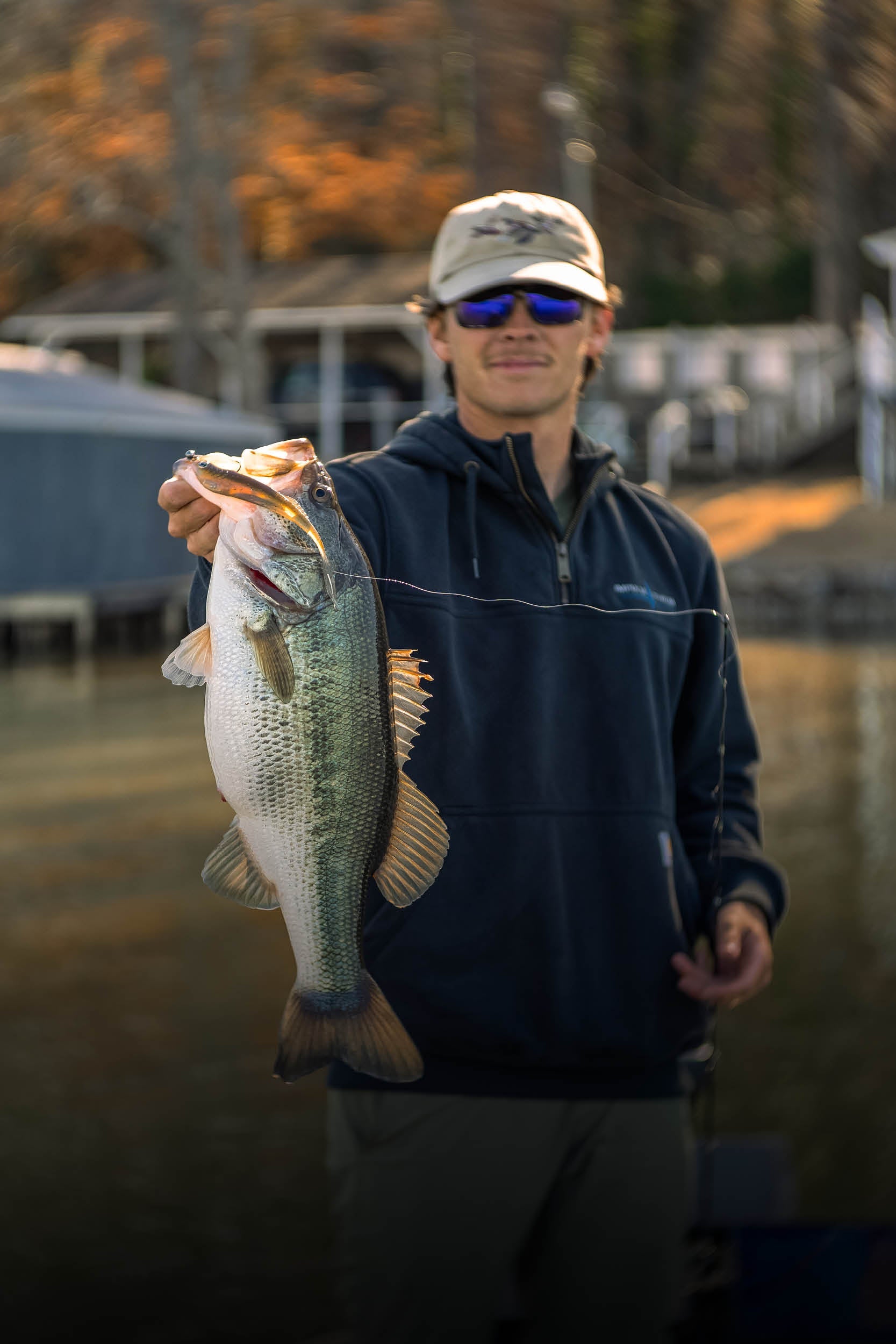
The concept is actually pretty simple. We're pairing a small tungsten jighead with our 2.75" CAST Echo, attached to a fluorocarbon leader using a small loop knot.
We specifically designed the 2.75" Echo with this time of year and this exact technique in mind.

When bass are feeding on schools of tiny shad, matching the hatch can make all the difference. This little setup does an incredible job of mimicking the size and natural movement of the forage these fish are gorging on.
And when you get it right, you can get bit, and get bit often!
MY RECOMMENDED FINESSE SETUP
- Rod: Shimano Expride 7'6" Medium Light
- Reel: Shimano Twin Power 3000 XHG
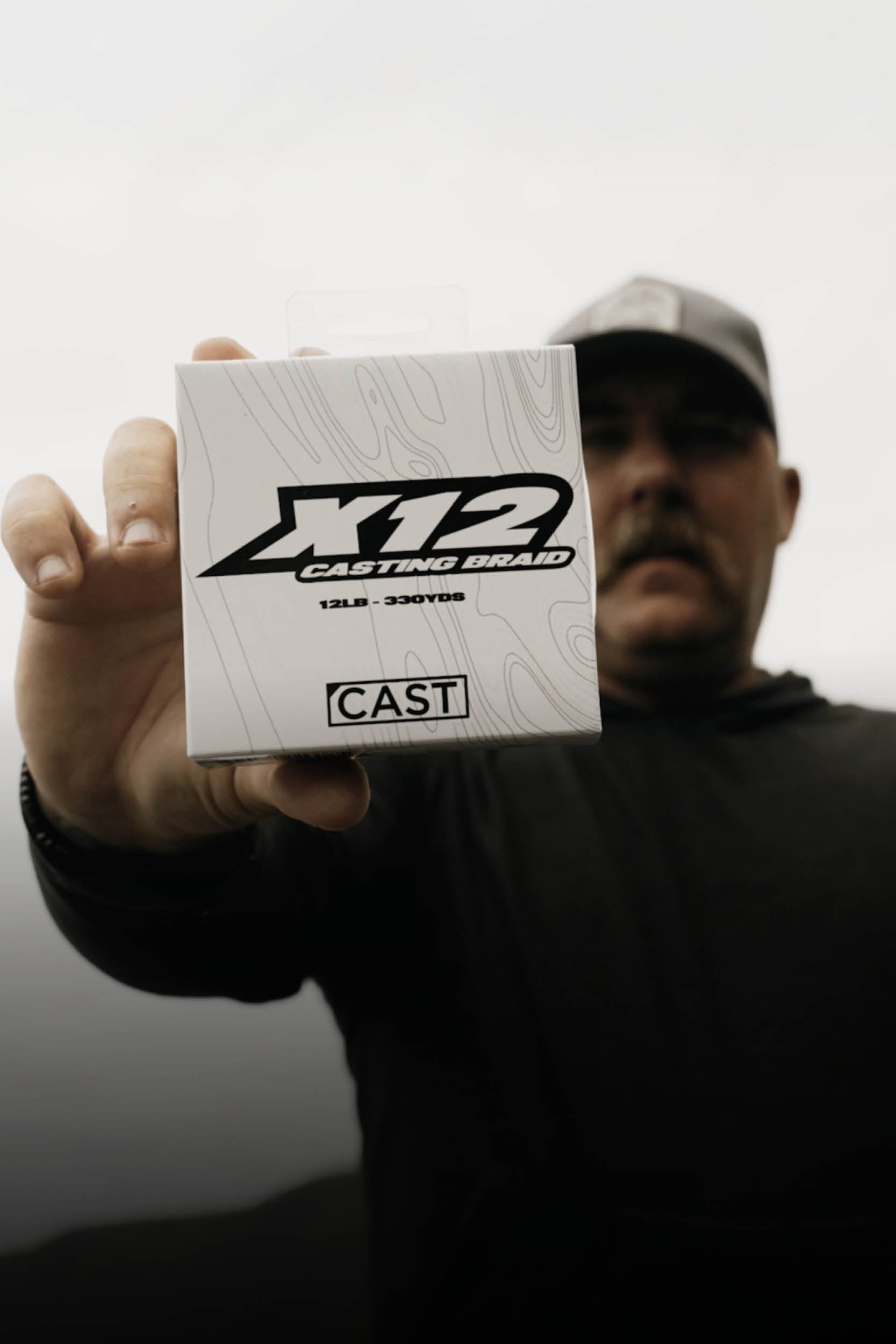
- Main Line: CAST X12 Braid, 12 lb
- Leader: 7-10 lb Fluorocarbon
-
Connection Knot: FG Knot

The longer 7'6" rod serves several important purposes. Not only does it help you cast lightweight finesse presentations farther, but it also makes it easier to impart subtle action to your bait. Equally important, the softer tip helps absorb the pressure of fighting fish, reducing the chances of tearing out those smaller finesse hooks.
I also prefer a 3000-size spinning reel over the more traditional 2500. The larger spool helps me achieve longer casts, which is especially important when fishing lightweight presentations and trying to cover as much water as possible.
But perhaps the most important component of this entire setup is the CAST X12 Braid. Its exceptionally small diameter allows me to cast these tiny baits incredible distances. The farther I can cast, the more water I can effectively cover, and ultimately, the more opportunities I have to get bit.
When you combine all three components with the right fluorocarbon leader, you have a finesse system designed to maximize casting distance, create natural action, and keep fish pinned all the way to the boat.
And remember, this exact same setup works for both techniques we're covering in this blog.
How to Fish the Tight Line / Jighead Minnow
Start by locating schools of baitfish. Sometimes you'll see them flickering or breaking the surface, while other times you'll need to rely on your electronics to locate them.

Once you've found the bait, make a long cast toward the school.
After the cast, hold your rod tip up and allow the Echo to pendulum back toward you while incorporating subtle shakes of the rod tip.
One of the biggest things to remember with this technique is that less is often more.
That small loop knot is important because it allows the Echo to move more freely, helping create a subtle, lifelike action that can trigger strikes from even reluctant fish.
Don't get locked into fishing it the exact same way every time. Experiment with your retrieve because bass can behave differently from one day to the next.
Some days, they want an extremely slow presentation with very little movement. Other days, speeding things up and almost playing a game of cat and mouse with the fish can be exactly what it takes to trigger a reaction bite.
Pay attention to what the fish are telling you and adjust accordingly.
Getting the Rigging Right: The Little Details Matter
When it comes to fishing a jighead minnow, the little details can make a big difference. My go-to setup for the fall is the 2.75" CAST Echo paired with a 1/8 oz, 1/0 BKK Hyper Latch jighead. When I want to increase the size of my presentation, I'll step up to the 3.5" Echo with a 3/0 Hyper Latch jighead.
One of the reasons I absolutely love the BKK Hyper Latch is its incredible hook design. It features a nasty, aggressive hook gap that helps drive the hook home and, more importantly, keeps fish pinned once they're hooked up. When you're fishing light line and fighting big bass on finesse tackle, having confidence in your hook is critical.
Another detail you don't want to overlook is making sure your Echo is rigged perfectly straight on the jighead. If your bait is crooked, it can negatively affect the natural action we're trying to achieve. Take the extra few seconds to get it right.
Finally, I always recommend attaching your jighead to your fluorocarbon leader with a small loop knot rather than tying directly to the eye. This gives the Echo additional freedom of movement, allowing it to produce that subtle, natural-looking action that can make all the difference when fish are reluctant to bite.
Remember, with finesse fishing, it's often the smallest adjustments that produce the biggest results.
Why This Technique Gets Even Better as Winter Approaches
As the days get shorter and water temperatures begin to drop, this technique can become even more effective.
Bass often become less willing to chase faster-moving presentations, and on many lakes, falling water temperatures can also lead to shad becoming stressed or dying off.
This creates an opportunity to imitate small, vulnerable baitfish that require very little effort for a bass to eat.
Much like the traditional float-and-fly technique that has been so effective during the coldest months of the year, the jighead minnow excels at presenting a small, natural-looking meal to fish that may not be willing to chase something more aggressive.
Where to Target Bass During the Winter

While fishing around schools of bait is one of my favorite ways to use this technique, there are several other areas that can be incredibly productive as winter begins to set in.
Steep Bluff Walls
If you're fishing a highland reservoir, steep bluff walls are an excellent place to start.
Bass will often suspend along these areas because they provide immediate access to both shallow and deep water. Fish can adjust their depth without having to travel long distances or expend a tremendous amount of energy.
A small jighead minnow presented at the right depth can be deadly on these fish.
Roadbeds and Ditches
Another area I love targeting during the winter is submerged roadbeds and ditches.
These depressions and contour changes along the lake bottom can act like underwater highways, giving bass natural travel routes as they follow baitfish and move between areas.
As winter progresses, these locations can concentrate fish and provide some of the most consistent opportunities to get bit.
Whether you're targeting suspended fish along a bluff wall or bass relating to a ditch, the key is understanding where the fish are positioned and presenting your Echo naturally at the appropriate depth.
Following the Fish into Deeper Water
For the most part, we're always trying to get away with using the lightest jighead possible while keeping the Echo positioned above the fish. But as winter progresses and bass begin relating to deeper structure, there are times when we need to make some adjustments.
On lakes like Lake Lanier, we'll often target fish suspended along the edges of deep standing timber, sometimes in 50 to 70 feet of water. In these situations, we'll increase our jighead weight to anywhere from 3/8 oz up to 3/4 oz to get the Echo down to the fish and maintain better control of the presentation.
Unlike the shallower tight line presentations we discussed earlier, this style of deep-water fishing relies entirely on electronics to locate the fish, determine their depth, and present the bait effectively.
The concept remains the same. We're still trying to present a small, natural-looking baitfish in a way that triggers a strike. We're simply adjusting our jighead weight and presentation to follow the fish as they move deeper throughout the winter.
Take a Closer Look at the Tight Line Technique
Sometimes it's easier to understand a technique when you can hear someone walk through it. In the video below, I share a few additional insights into how I approach tight lining and the little details I've learned through experience.
Technique #2: The Neko Rig
Now that we've covered one of my favorite ways to target bass from fall through spring, let's switch gears and talk about another finesse presentation that has become one of my most reliable techniques when the bite gets tough.
The Neko Rig.
Most anglers associate the Neko Rig with fishing along the bottom, and for good reason. It's incredibly effective around rock, brush piles, docks, and other types of structure. But what if I told you there's another way to fish this rig that's absolutely deadly on suspended bass?
We'll get into that in a minute.
And here's the best part. You can fish both techniques using the exact same rod, reel, braid, and leader setup we covered earlier.
Two completely different presentations, one finesse setup, and a whole lot more opportunities to get bit.
Why the Neko Rig Has Become One of My Most Reliable Techniques
Even though I live in Florida, I still consider Lake Lanier in Georgia my home lake. I've spent countless days over the years chasing big spotted bass on Lanier, and that time has taught me a tremendous amount about catching fish on a heavily pressured fishery.
For as long as I can remember, one of the most reliable ways to catch these fish was with a shaky head. Trends and new techniques would come and go, and eventually the fish seemed to get conditioned to many of them. But for whatever reason, the shaky head continued to produce.
Seeing just how effective a finesse worm could be at catching big spotted bass, we started experimenting with different rigging methods to show these fish something they hadn't seen before. That's actually a common theme behind almost everything we do at CAST.
The drop shot was deadly, a small Texas Rig produced some great fish, and even the Jika Rig had its moment. But once I started fishing the Neko Rig, it pretty much never came off my rod.
In fact, this technique is the entire reason we developed the 4.5" CAST Nova.
One March, I put together my personal best five-fish bag of spotted bass, weighing nearly 25 pounds, including two spots that each weighed over 5 pounds! That experience reinforced just how effective the Neko Rig could be and ultimately inspired us to develop a soft plastic specifically designed to maximize this presentation.

What Makes the Neko Rig So Effective?
In my opinion, the biggest advantage of the Neko Rig, and the reason I've found it to outperform so many other finesse presentations, is the separation between the weight and the hook.
By separating these two components, you're allowing the soft plastic to move much more freely. The bait can breathe, flex, and produce an incredibly natural action with very little input from the angler.
Think about the traditional wacky rig. It's arguably one of the most effective ways to catch a bass, and for good reason. But I look at the Neko Rig as an improved, more versatile version of that presentation.
By inserting a small tungsten nail weight into the nose of the worm, you gain much greater control over the bait. You can get it down to the bottom considerably faster, maintain better contact with the presentation, and fish it more efficiently.
Instead of waiting what feels like ten years for a weightless wacky rig to reach the bottom, you can get your bait into the strike zone quickly while still maintaining that incredibly natural, free-moving action.
That's what makes the Neko Rig so special. You get the subtle, lifelike movement of a wacky-rigged worm with the added control and efficiency of a weighted presentation.

Designing a Better Bait for the Neko Rig
When you think about it, three of the primary food sources for bass are baitfish, crawfish, and worms. With that in mind, we set out to design the 4.5" CAST Nova to imitate all three in some fashion, depending on how it's rigged and presented.
We wanted a bait that could do more than just look like a traditional finesse worm. Its unique body profile allows it to take on characteristics of different types of forage, giving anglers the versatility to adjust their presentation based on what the fish are feeding on.
We took things a step further by embedding a small glass rattle inside the bait. This produces a subtle sound that can imitate a crawfish or other prey moving along the bottom while also helping alert nearby bass to the bait's presence in the water.

Now, I want to make something clear. This article isn't meant to be a commercial for the Nova. It's about helping you understand the Neko Rig and ultimately catch more fish.
But there was one particular problem we kept running into with this technique that I think is worth talking about.
Losing expensive tungsten nail weights!
If you've spent much time fishing a Neko Rig, you've probably experienced this yourself. After catching a few fish, or simply fishing the bait for an extended period, the plastic around the nail weight begins to tear or separate. Eventually, that expensive little tungsten weight falls out, and you're left digging through your tackle box to rig another one.
Not only does that get expensive, because tungsten certainly isn't cheap, but constantly having to replace weights and rerig your bait can get frustrating.
To address this, we utilized the same EnduraCAST plastic that we use in our Prodigy and Echo.
The material grips tightly around the inserted nail weight, helping hold it securely in place even after repeated catches. We've been extremely happy with the results, and it's made a noticeable difference in how often we have to replace lost weights.
It's a small detail, but when you're spending a full day fishing a Neko Rig, those little things can make a big difference.
And regardless of which soft plastic you choose, pay attention to how securely it holds your nail weight. It's one of those overlooked details that can save you money, time, and frustration on the water.
Exactly How I Rig My Neko Rig
When it comes to rigging the 4.5" CAST Nova, I've experimented with plenty of different combinations over the years, but there's one setup that I consistently come back to.
My go-to combination is a size 4 BKK Wacky Neko Hook paired with a size 5 VMC Crossover Ring and a 1/16 oz tungsten nail weight.


Now, here's something worth mentioning. You don't necessarily need a crossover ring or collar to fish a Neko Rig. You can absolutely insert your hook directly through the side of the Nova and catch plenty of fish.
However, I've found that using a crossover ring helps preserve the soft plastic, allowing you to catch a few more fish on the same worm throughout the day. It's a small investment that can save you some baits over time.
If I'm fishing around brush piles, submerged timber, or other areas where snagging is a concern, I'll switch to the weedless version of the BKK Wacky Neko Hook. This allows me to fish the rig around cover with a little more confidence.
Finding the Right Nail Weight
The majority of the time, I'm using a 1/16 oz tungsten nail weight inserted into the nose of the Nova.
I've found that this weight provides an excellent balance of fall rate, control, and natural action. In fact, I've had tremendous success fishing this exact setup in water as deep as 40 feet.
You can certainly experiment with heavier nail weights or adjust the position of your crossover ring to change the action and fall of the bait. Those adjustments can be effective depending on the conditions and how the fish are responding.
But for the sake of keeping things simple, a 1/16 oz tungsten nail weight has produced for me time and time again.
It's the setup I have the most confidence in, and it's exactly where I'd recommend starting.
How to Fish the Neko Rig Along the Bottom
As funny as this might sound, some days bass simply prefer to eat down. They aren't interested in chasing something moving through the middle of the water column. Other days, they want to feed up, and that's where things get really interesting.
The beauty of the Neko Rig is that you can effectively target fish in both situations. That's one of the reasons I love this technique so much, and I'm excited to show you how we're using it.
But first, let's start with the simplest and most common way to fish the 4.5" Nova on a Neko Rig.
Start by targeting high-percentage areas like points, humps, brush piles, standing timber, docks, and other types of structure where bass are likely to be holding.

Make a cast and give the Nova plenty of time to reach the bottom.
Now, here's an important detail. While I recommend a 1/16 oz tungsten nail weight for most situations, there are times when you'll need to increase your weight, especially when fishing in windy conditions. You need to maintain enough contact with the bait to know when it's on the bottom and what it's doing.
Just like we discussed with the jighead minnow, sometimes less is more.
Once the Nova reaches the bottom, begin incorporating light shakes of the rod tip to impart subtle action into the worm.
This is where using a medium-light rod instead of a medium really comes into play. That extra softness in the tip allows you to impart action almost effortlessly, without moving the bait too far out of the strike zone.
Don't overwork the worm. Small shakes of the rod tip, and sometimes even the natural movement of the waves, are enough to bring the bait to life and trigger bites.
Understanding Rate of Stall
When fishing the Neko Rig along the bottom, the goal isn't to cover water as quickly as possible. It's to create action while keeping the bait in one place, then gradually work it back toward you.
This is what we refer to as rate of stall.
Think of it as maximizing the amount of time your Nova spends in the strike zone while still producing enough movement to attract a fish's attention.
This becomes especially important as water temperatures begin to drop.
During the colder months, many forage species aren't moving as quickly, and bass often become less willing to expend energy chasing down a meal.
The key is to make your presentation look like an easy opportunity. Something natural, vulnerable, and requiring very little effort for a bass to eat.
Slow down, keep the bait in the strike zone, and let the Nova do the work.
Understanding this concept and having the patience to execute it can make an enormous difference when you're targeting stubborn bass during the colder months.
Detecting Bites and Setting the Hook
When a bass eats your Neko Rig, sometimes you'll feel that unmistakable thump. But in many cases, especially during the colder months, the fish will simply inhale the worm and barely move.
Instead of feeling a traditional bite, you might just notice a little extra weight on the end of your line.
This is why staying in tune with your Nova and maintaining contact with the bait is so important. You need to recognize when something feels different, even if it's subtle.
Now, here's something I really want to emphasize. When you get bit, don't make a massive hookset!
Remember, we're fishing with an extremely sharp, thin-wire hook on light finesse tackle. You don't need to swing for the fences to drive that hook home.
Instead, simply reel down into the fish and let your equipment do the work.
As you quickly pick up line, the rod will begin to load, and the backbone of your medium-light rod will provide the pressure needed to penetrate the hook and keep the fish pinned.
I'm essentially using my reel to set the hook rather than my rod.
This is another reason I prefer an XHG high-speed spinning reel. It allows me to quickly pick up slack, come tight to the fish, and drive that razor-sharp hook home without an aggressive hookset.
Once you're hooked up, trust your equipment, maintain steady pressure, and let the rod do its job.
It's a simple adjustment, but one that can make a big difference in your hookup and landing percentage when fishing light tackle.
A Different Approach: Fishing the Neko Rig with Forward-Facing Sonar
Now, here's where things get really interesting!
Using the 4.5" Nova on a Neko Rig with forward-facing sonar has become one of the absolute best ways we've found to catch numbers of bass on days when the fishing might otherwise be incredibly tough.
We've discovered two particularly effective ways to target suspended bass with this presentation, depending on how the fish are positioned and whether they're relating to baitfish.

The first involves bass relating to schools of baitfish and getting them to feed up on the Nova. The second involves suspended bass that aren't relating to baitfish and getting them to follow the Nova down toward the bottom.
Let's start with the fish that are relating to bait.
Feeding Up: Targeting Bass Around Schools of Baitfish
There have been countless situations where we've found bass relating to schools of baitfish, and a Neko Rig has absolutely crushed them.
Here's how we approach it.
When we locate bass around a school of bait using forward-facing sonar, we'll make a cast that positions the Nova directly above the baitfish and allow it to fall naturally through the school.
As the Nova falls through the bait, it can cause the baitfish to scatter and move around, creating even more excitement among the bass that are already pursuing them.
And right in the middle of all that commotion is your 4.5" Nova, slowly falling through the school and looking like an incredibly easy meal.
We've found two different approaches that can be extremely effective in this situation.
Approach #1: Match the Baitfish
Our first approach is to use the Nova in our Lanier color, which does an excellent job of imitating a natural baitfish.
Remember earlier when we discussed the unique body profile of the Nova and how we designed it to mimic different types of forage?
This is exactly why we incorporated a baitfish profile into a finesse worm.
When bass are actively feeding on baitfish, having a Neko Rig that resembles the size, shape, and color of their natural forage can be incredibly effective.
Approach #2: Stand Out from the School
The second approach is almost the complete opposite.
Instead of trying to blend in with the baitfish, we'll switch to a brighter, more noticeable color like Amethyst or Jelly Bean.
These colors can stand out against the surrounding baitfish, making it easier for a bass to identify and target your Nova as it falls through the school.
Sometimes this one adjustment can make an enormous difference in how quickly fish react to your presentation.
Don't be afraid to experiment with both approaches. Let the fish tell you what they prefer.
 Lanier
 Amethyst
 Jelly Bean
The Most Important Detail: Keep Your Nova Above the Fish
When fishing this technique, we're constantly watching our Nova on forward-facing sonar and paying close attention to its position relative to the bass.
Here's the biggest thing I want you to remember: Never allow your Nova to fall below the fish you're targeting.
You want to keep your bait above them, giving those bass an opportunity to rise up and eat it.
If your Nova falls below the fish and you continue working it underneath them, you're often dramatically reducing your chances of triggering a strike.
This is where forward-facing sonar becomes such a valuable tool. You can watch the fish react to your presentation, control the fall, and make adjustments in real time.
Keep your Nova above the bass, pay attention to their reactions, and give them an easy opportunity to feed up.
It's a presentation that has produced some incredible days for us, even when more traditional techniques struggled to generate bites.
Feeding Down: Targeting Suspended Bass That Aren't Relating to Baitfish
Now, let's talk about a completely different situation where the Neko Rig can be absolutely deadly.
We're still targeting suspended fish using forward-facing sonar, but this time we're focusing on fish that aren't relating to schools of baitfish.
And here's where we're going to make a major adjustment to our presentation.
Unlike the feeding-up technique we just covered, this time we actually want our Nova to fall below the fish.
The first step is lining up your cast. You want to lead the fish just enough that your Nova falls within its field of view and gets its attention.
Once the fish notices your worm, let the Neko Rig continue falling all the way to the bottom.
This is where things get really interesting.
In my experience, roughly 90% of the fish that commit to this presentation will follow the Nova all the way to the bottom before eating it. Occasionally, you'll get one that eats the bait on the fall, so it's important to maintain control of your line and pay attention throughout the entire descent.
Once the Nova reaches the bottom, quickly reel up your slack and give the worm a few subtle shakes.
More often than not, that's all it takes to trigger a bite.
Why Letting the Fish Follow Makes Such a Difference
Let's put this into perspective.
Imagine you're targeting a bass suspended 10 feet below the surface over 40 feet of water.
You make your cast, the fish notices your Nova, and it begins following the bait down toward the bottom.
If that fish follows your worm all the way down, it has just traveled approximately 30 feet to investigate your presentation.
Think about that for a second.
That bass has made a considerable effort and expended energy to follow what it believes could be an easy meal. In my experience, the farther a fish commits to following the bait, the greater the opportunity to trigger a strike once the Nova reaches the bottom.
And this brings me to what might be the most important piece of advice I can give you about this entire technique.
Resist the urge to stop your bait when you see a fish following it!
I can't stress this enough.
When you're watching a bass follow your Nova on forward-facing sonar, your natural instinct is going to be to close the bail, stop the bait, and start shaking the worm to get it to bite.
Don't do it.
I've found that abruptly stopping the bait during the fall can cause the fish to lose interest and disengage.
Instead, let the Nova continue falling naturally, even when that fish is right behind it.
Let it fall all the way to the bottom. Then pick up your slack, impart a few subtle shakes, and get ready to get bit!
If there's one thing I hope you take away from this article, it's this presentation.
I genuinely believe this is one of the most valuable techniques I can share to help you catch more fish, especially on those days when nothing else seems to be working.
It's produced some incredibly memorable days on the water for us, and I have no doubt it will do the same for you!
Final Thoughts: Put These Techniques to Work
At the end of the day, fishing isn't always easy, especially on heavily pressured lakes. But having a few reliable techniques that you understand and have confidence in can make all the difference.
The jighead minnow and Neko Rig have produced some incredible days for us, and they're two presentations I have tremendous confidence in from fall through spring.

Remember, it's often the smallest details that make the biggest difference. The right equipment, subtle adjustments to your presentation, and understanding how fish are behaving can turn a frustrating day into a memorable one.
I hope you've picked up a few things from this article that will help you put more fish in the boat. Give these techniques a try, experiment with what we've covered, and most importantly, enjoy your time on the water.
Good luck on the water!
Ryan

 USD $